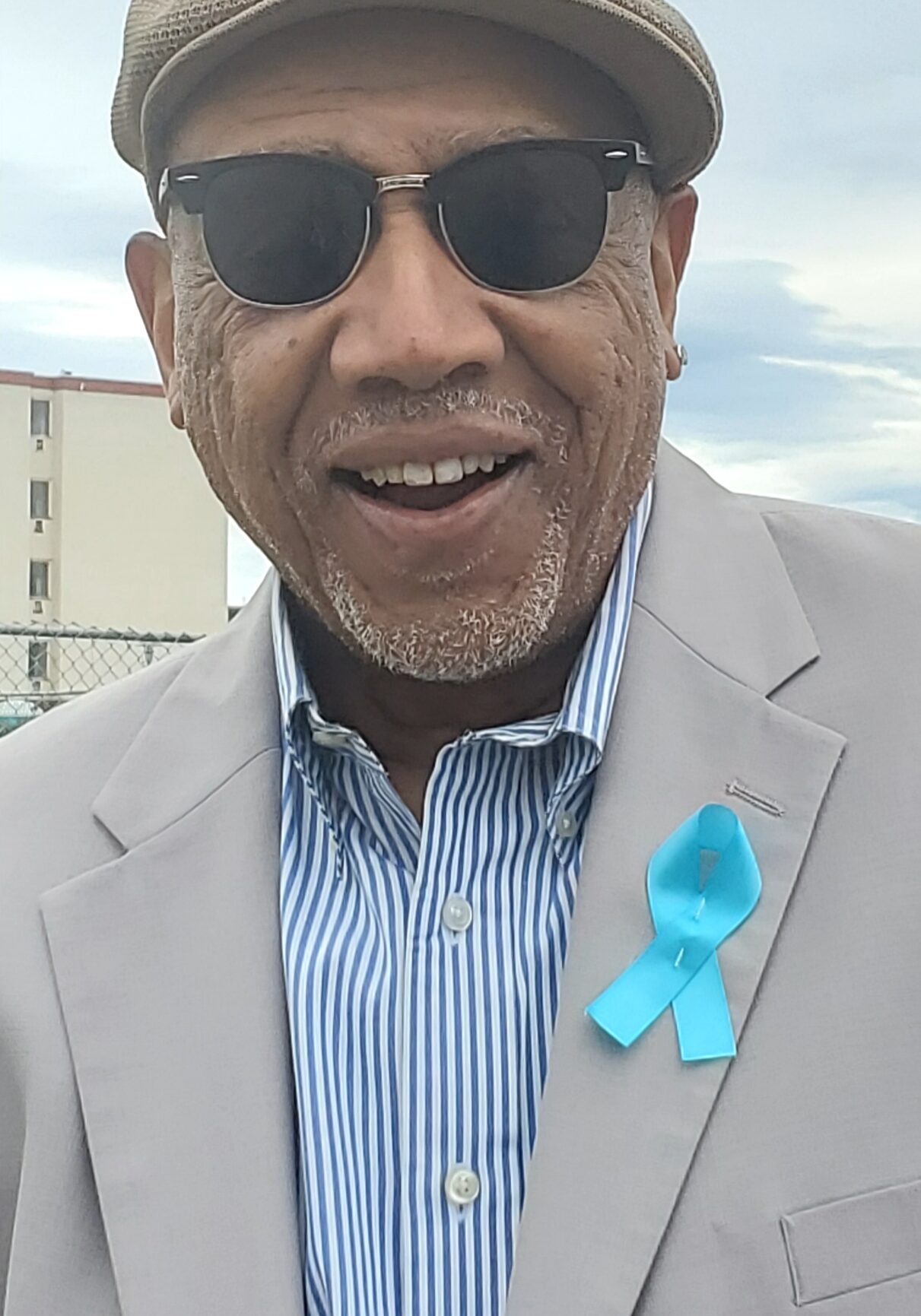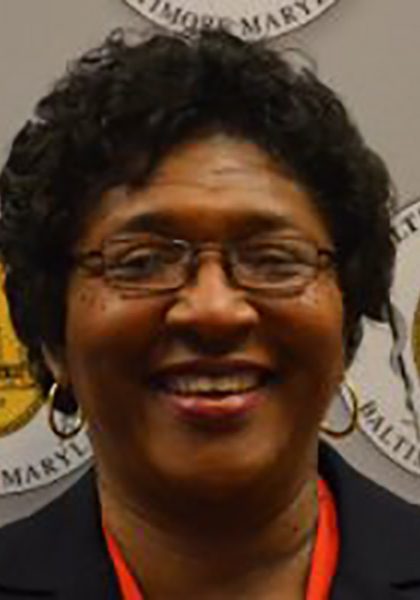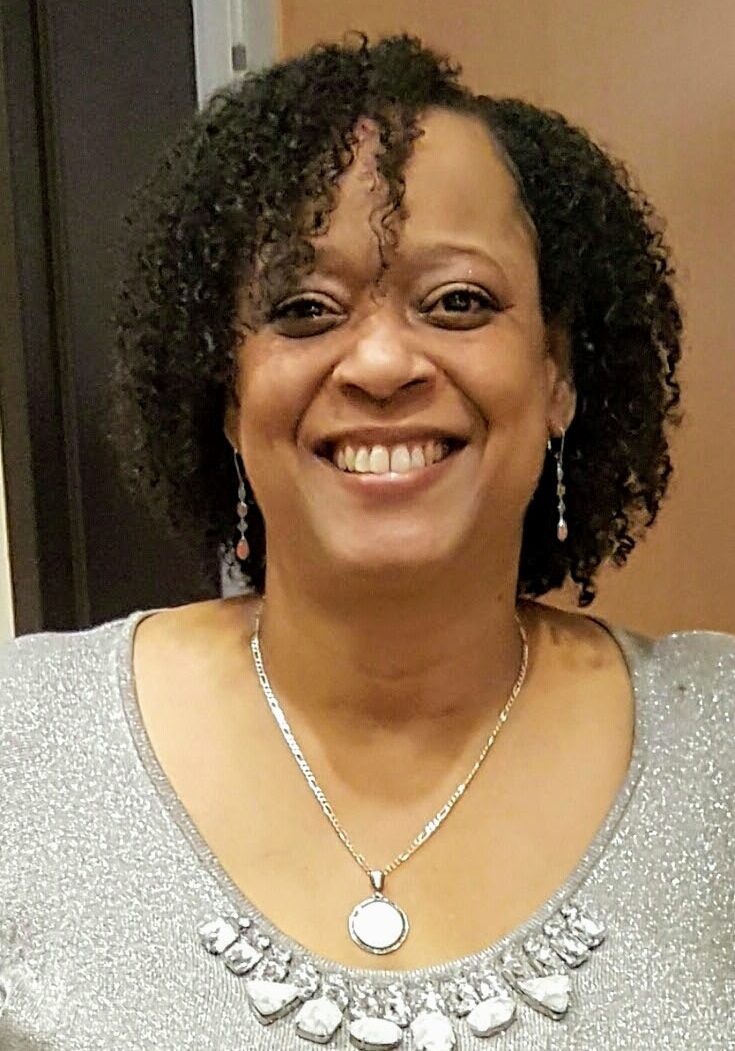
Healthy Start's Senior Staff

Alma Roberts, MPH, FACHE
President and Chief Executive Officer
alma.roberts@baltimorecity.gov

Sarah Rose, MBA
Chief Financial Officer
sarah.rose@baltimorecity.gov

Maxine Reed Vance, RN, MS
Chief Clinical Affairs/Quality Assurance Officer
maxine.vance@baltimorecity.gov

Heather Ross, MHS, CHES
Project Director, Healthy Start Program
heather.ross@baltimorecity.gov

Francine Tucker, MS
Director, Early Childhood Development
francine.tucker@baltimorecity.gov

Dana Gaskins, MHS, CHES
Director, Marketing & Development
dana.gaskins@baltimorecity.gov

Imani Williams-El
Program Manager, Life Planning Institute
imani.williams-el@baltimorecity.gov


Board of Directors

Dorothy Reed, MBA, Board Chair
Mary Sue Welcome, Esq., Secretary
Richard H. Shepherd, Jr., Treasurer
Oxiris Barbot, M.D.
Joseph J. Daniels, MS
Mary J. Demory, MSW,  LCSW
C. Bernadette Johnson, MHA
Rosetta Kerr-Wilson, Esq.
J. C. Shay, Jr., MS, Ph.D.
Anthony Vaughn
Howard Weiss, MBA
Michael Zollicoffer, M.D.

Cradle of Hope

The Cradle of HopeTM is Baltimore Healthy Start's public awareness intitiative to inform and mobilize Maryland Residents about issues contributing to infant mortality, low birth weight and pre-term births.


Become a Champion for Healthy Babies

Volunteer

Donate


Quick Take

Impact of Online Giving

More than 65 percent of donors use information from the Internet before giving, whether online or offline – and 40 percent always go online before giving, regardless of whether they give online or offline.

Roughly 19 percent of men and women who use the Internet donate to charity online – compared to banking online: 41 percent or shopping online: 67 percent

The number one reason donors say they give online is convenience. Other top reasons include giving quickly at times of crisis, making multiple gifts in one transaction through a giving portal, and seeing their overall giving history.

Online donors are generous. Whether due to income levels, the impulsive nature of online giving or the credit card effect, online donors give significantly more than offline donors.

In 2007, Offline-only donors who also received e-newsletters gave more than twice as much as did offline donors who did not receive electronic communication.

Online giving is growing exponentially each year, from $250 million in 2000 to more than $4.5 billion in 2005.

Source:  Center for Nonprofit Excellence, Vol. 11, No. 09, April 27, 2011


Find us on Facebook

Follow us on Twitter

Baltimore Healthy Start, Inc is a Member of